Expert pediatric sleep support—guided by specialists who help your baby build independent sleep skills with a custom plan that actually works for your family.
Book a Free Consultation

Work with a licensed coach to discover your strengths, develop practical strategies, and tackle issues like behavior, communication, and stress (because what parent doesn’t need that?).


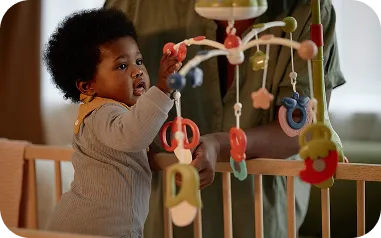

Baby & Toddler
- Custom sleep training plans
- Responding to night wakings
- Nap schedules
- Navigating bedtime battles
- Transitioning to a crib
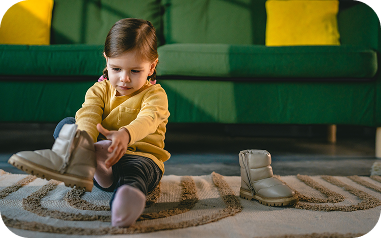

Preschooler & Up
- Custom sleep training plans
- Wind-down routines
- Navigating bedtime battles
- Staying in their own bed
- Toddler bed transition

Why choose Poppins?

A compassionate, family-first approach that honors your values and real life rhythms.
Integrated medical & parent coaching teams help us tailor plans with your whole child in mind.
Expert guidance at an affordable price—so support is accessible when you need it most.
Convenient text and video support that meets your where you are.

Meet your sleep coach.


Jenn Schoen
Her approach is warm, collaborative, and grounded in your family’s values. Jenn doesn’t believe in one-size-fits-all or rigid sleep training methods. Instead, she takes the time to understand your child’s age, temperament, and unique needs so you can create a plan together that feels doable, supportive, and tailored to your family.

Want a better care experience for your family?

Medical, behavior & sleep help—in one coordinated experience.
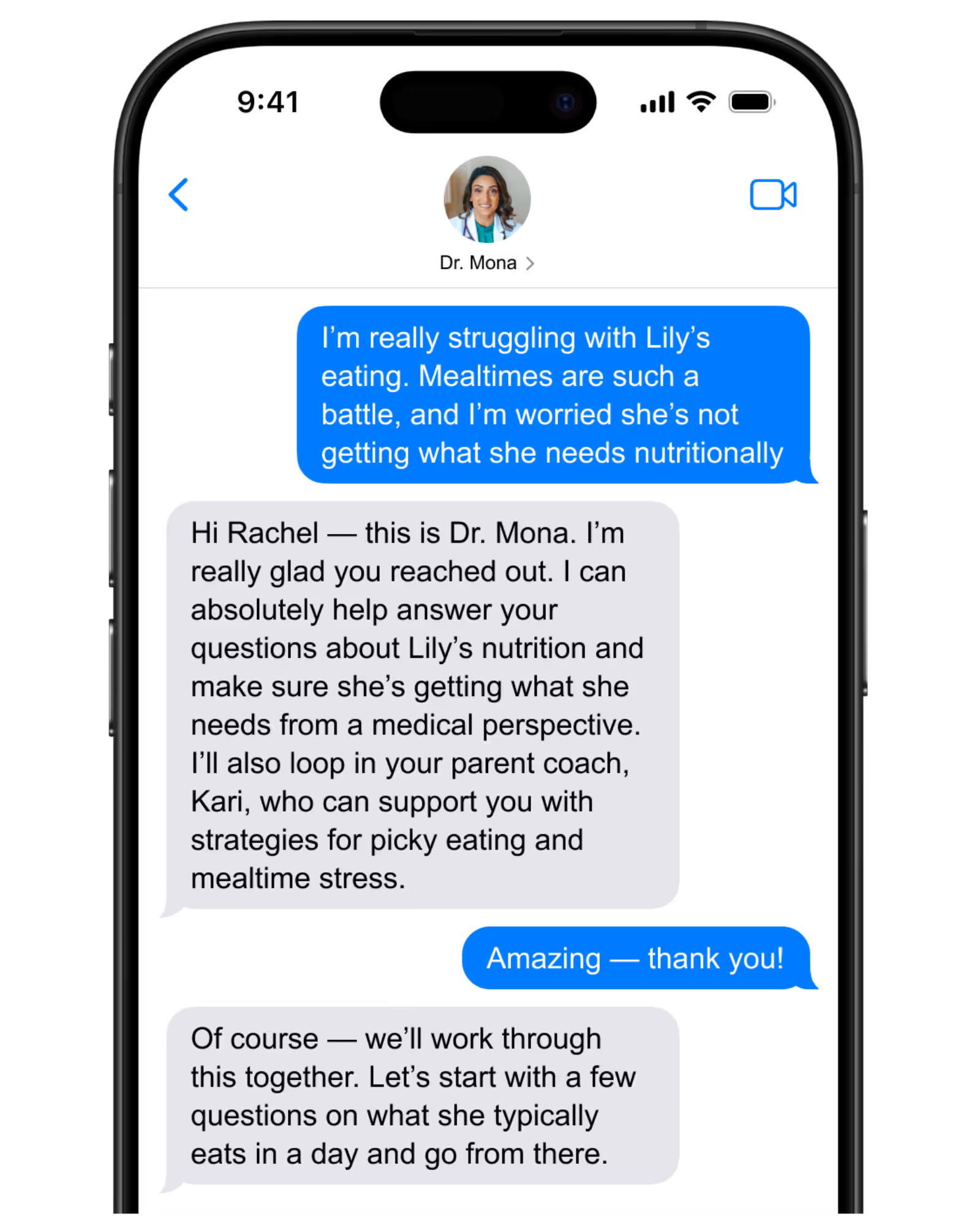
On-demand virtual care—we diagnose, treat, and prescribe.*
Dedicated parent coaching tailored to your family and values.
Secure text based platform—send photos and videos.

How it works.
Your sleep coach learns your routines, challenges, and “what just happened?!” moments to build a plan that fits your family.

one
Meet your
coach.
Book a free call to find out if our sleep support is right your family.

two
Craft a plan
together.
Create a customized sleep plan side-by-side with your coach.

three
Tell us how
it’s going.
We’ll check in, adjust the plan, and support you every step of the way.
Affordable
plan options.
30-minute session
Discuss sleep schedules, routines, best practices, safe sleep habits, tips & tricks
Core sleep plan
Custom sleep plan, support M-F 9AM-5PM ET
Extended support plan
Custom sleep plan, 7 days/wk support 7AM-9PM ET
Helpful resources.




Frequently asked questions.
Poppins offers flexible, evidence-based sleep coaching options designed to help babies and toddlers build healthy, independent sleep skills. Every family begins with a free consultation call, and from there can choose the level of support that best fits their needs.
Step 1: Start With a Free 1:1 Consultation
All families begin with a free sleep coaching consultation with one of our certified pediatric sleep coaches. During this call, you can:
- Share your child’s sleep challenges
- Learn how our process works
- Explore sleep training methods
- Determine whether our services are the right fit for your family
Step 2: Choose the Support Option That Fits Your Needs
After the free consultation, you can select from three sleep coaching options:
1. Thirty-Minute 1:1 Sleep Consult (Quick Tips / DIY Option)
Ideal for families who don’t need a full sleep plan but want expert guidance, targeted strategies, or troubleshooting help with specific issues such as early morning wakings, short naps, split nights, nap transitions, or bedtime struggles. Great for parents who prefer a DIY approach or are searching for quick baby sleep training tips or fast toddler sleep advice.
2. Core Sleep Training Plan (Business-Hours Support)
Includes:
- A deeply personalized sleep plan tailored to your child
- On-demand text, video, or phone support Monday–Friday, 9am–5pm ET
- Daily guidance and troubleshooting from your coach
This option is best for families who feel comfortable implementing the plan with daytime support.
3. Extended Hours Sleep Training Plan (After-Hours + Weekend Support)
Includes everything in the Core Plan plus:
- Early morning, evening and weekend access to your sleep coach (7am-9pm ET)
- Real-time text or phone support during the sleep training process
This option is best for families who prefer real-time guidance during sleep training.
Step 3: Complete a Detailed Intake Questionnaire
If you select the Core or Extended Plan, you’ll complete an in-depth questionnaire about your child’s routines, developmental stage, sleep environment, feeding, and sleep goals. This gives your coach everything needed to design a custom sleep plan.
Step 4: Strategy Call With Your Sleep Coach
Your coach reviews your questionnaire and schedules a follow-up call to clarify details, align on goals, and collaborate on the best approach for your baby or toddler’s temperament.
Step 5: Receive and Review Your Personalized Sleep Plan
Your coach creates a step-by-step, highly personalized plan that includes:
- Bedtime routines
- Nap schedules
- Age-appropriate wake windows
- Sleep training method guidance
- Troubleshooting strategies
You’ll have time to review the plan, make adjustments, and ask questions before starting.
Step 6: Pick Your Start Date
Once the plan is finalized, you’ll choose the date you want to begin. Your coach will help you feel fully prepared and confident.
Step 7: Receive Ongoing Support Throughout the Process
Depending on your plan level, your coach will provide business-hours support or extended-hours support as you implement the sleep plan. This includes daily check-ins, adjustments, and same-day guidance.
No — your child won’t be a horrible sleeper if you don’t sleep train. Many babies naturally improve sleep as their baby sleep development matures. Sleep training isn’t necessary for every family. It’s simply one tool that can help babies learn independent sleep skills when nights or naps are especially challenging. What happens if you don’t sleep train varies by child—some sleep well on their own, while others benefit from more structure. The key is choosing what aligns with your family’s needs, values, and your child’s temperament.
Not at all—you’re not doomed if you wait. Many families feel pressure to sleep train, but there’s no “expiration date.” You can sleep train an older baby or toddler, and plenty of children learn independent sleep skills later with great success. It’s never too late to make gentle changes, and you should only begin when it feels right for your family.
Most experts agree you can start sleep training around 4–6 months, when your baby’s sleep cycles mature and they’re developmentally ready. Before this age, newborns don’t yet have the hormonal rhythms or neurological readiness for structured methods. Every child is different, so look for readiness cues—like longer stretches of night sleep and more predictable naps—to know when your baby is ready for sleep training. If you’re unsure what age you can sleep train, a personalized assessment can help guide next steps.
No—sleep training doesn’t automatically mean “cry it out.” Sleep training exists on a spectrum, ranging from gentle sleep training methods with lots of support and parent involvement to firmer methods that offer more space for independent settling. Selecting a sleep training approach is highly personalized and depends on your goals, values, your child’s age and stage of development, and their unique temperament. Sleep training without “cry it out” is absolutely possible, and your plan can be tailored to what feels right for your family.
The exact sleep training timeline depends on your child’s age, temperament, and the method you choose. In general, gentle sleep training methods can take up to two weeks to see consistent results, while families that use firmer methods often see results within one week. Whatever method you choose, the key is consistency—babies typically respond quickly when the plan is clear and developmentally appropriate. If you’re wondering how long sleep training takes, your coach can help set realistic expectations based on your child’s needs and the method selected.
If your baby is teething or gets sick during sleep training, we recommend pausing. Short-term discomfort can temporarily disrupt sleep, and your baby may need extra comfort. Most families take a break, offer supportive care, and then resume the plan once their baby is feeling better. Sleep training during teething or illness isn’t ideal, but you can restart gently—and babies typically pick up right where they left off.
Frequent night wakings can be related to sleep schedules, feeding habits, developmental changes, or how a baby falls asleep. A sleep coach helps identify what’s driving the wakings and builds a plan to improve sleep.
Absolutely! Poppins' sleep training methods work with your child's feeding schedule so that you can continue to offer your child night feedings as needed and still achieve your sleep training goals.
Transitioning out of co-sleeping takes a thoughtful, gradual approach. Sleep coaching provides step-by-step strategies to help toddlers sleep independently while maintaining a sense of safety and connection.
Crib climbing is a safety concern and often signals a need for changes in sleep setup or routine. A sleep coach helps assess readiness for a transition to a toddler and creates a safe, age-appropriate plan.
Yes. Early morning wake-ups are often tied to schedule timing, sleep pressure, or environmental factors. Sleep coaching addresses these root causes to extend sleep in the morning.
If sleep challenges persist, impact daytime behavior, or leave your family exhausted, professional sleep support can help. Coaching provides clarity, structure, and ongoing guidance to create lasting change.